
Country Guide: Best Sectors and Job Markets in Kenya vs Uganda vs Tanzania
Compare Kenya, Uganda, and Tanzania job markets—standout sectors, hiring styles, and how to choose where your skills will travel furthest.
Read articlePackaging
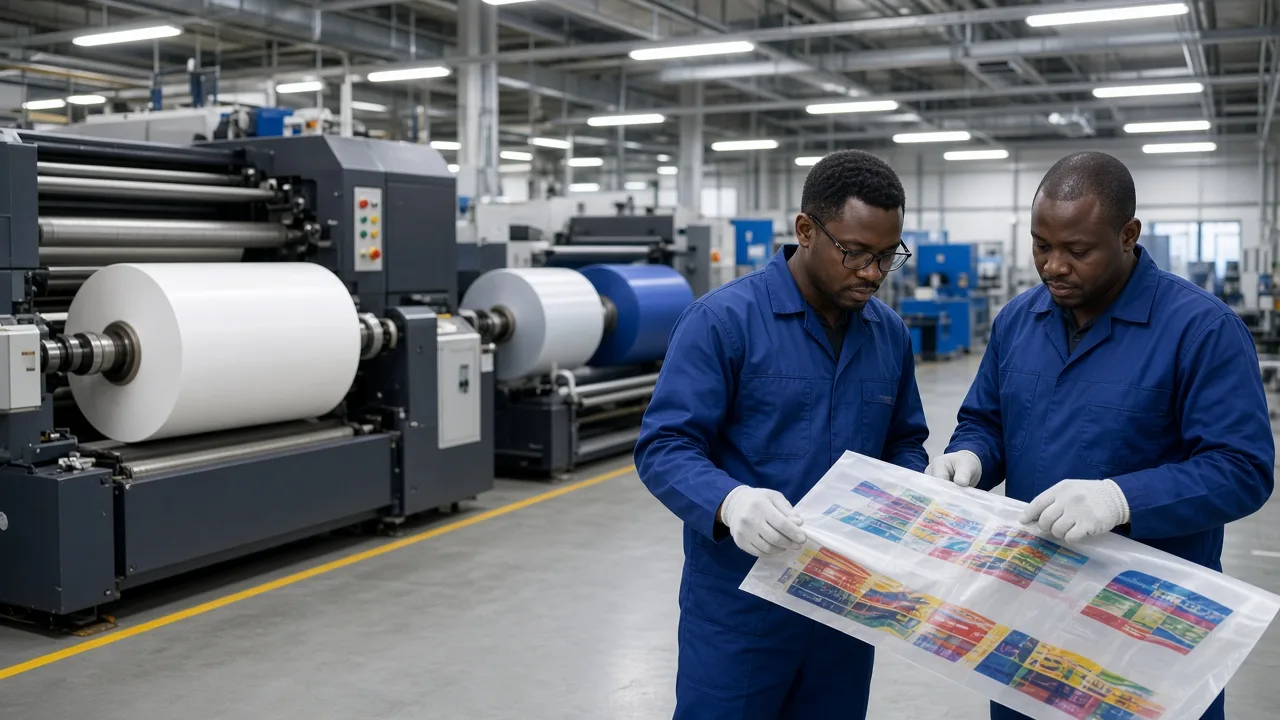
From printing and lamination to pouch lines and process engineering—how to build a flexible packaging career in Africa’s growing converter industry.
Flexible packaging—pouches, laminates, shrink films, labels, and conversion lines—is one of Africa’s fastest-moving industrial niches. Brands in food, personal care, agro-inputs, and pharma all need reliable film and pouch suppliers. That demand creates Packaging jobs for machine operators, print technicians, quality inspectors, and process engineers.
A typical converter may run:
Operators who understand tension control, registration, and changeover discipline are scarce and valued. Engineers who can improve yield and reduce scrap often move quickly into supervisory roles.
Entry and mid-level operator tracks usually include:
Night shifts are common because presses run long campaigns. Candidates who show up on time, keep clean workstations, and document meters produced tend to keep jobs longer than those with only classroom certificates.
Technical professionals are hired for:
Mechanical, mechatronics, chemical, and industrial engineering backgrounds all appear in shortlists. Prior experience in plastics, paper converting, or textile finishing is transferable. See also plastics and PVC industry jobs and trade.
If you are moving from another FMCG plant, highlight changeover speed and hygiene standards. Food and pharma customers audit packaging plants carefully.
Compensation varies by country, plant modernity, and whether the role is local or expatriate technical support. Operator wages track industrial norms with shift premiums; experienced print or lamination supervisors earn meaningfully more; engineers and plant managers sit at the top of site pay bands. Treat any online “average salary” as a starting conversation point only. For negotiation habits used across heavy industry, skim our salary guide.
Related reading: edible oil jobs often sit next door to packaging halls.
Many packaging professionals eventually advise on film and resin imports. If that is your path, study packaging industry importing of machinery, films, and raw materials and browse the exporters directory. Understanding lead times and quality claims makes you stronger in procurement interviews.
Flexible packaging rewards people who like precision, speed, and continuous improvement. Whether you are an operator aiming for shift lead or an engineer targeting plant management, keep your evidence concrete, stay open to shifts, and apply through verified listings on East Africa Classifieds as converters expand capacity for 2026 retail and export demand.
Gravure and flexo print departments need assistants who respect ink recipes, viscosity checks, and wash-up discipline. Color matching under customer brand standards is a craft. If you have printing experience from labels, newspapers, or corrugated, say so—and be ready for a trial on registration and waste control.
Ink kitchen roles suit people who are precise, safety-conscious with solvents, and comfortable with basic math for dilutions. Document any solvent-handling training you already have.
Brand owners audit packaging plants for hygiene, traceability, and process control. Operators who keep travelers accurate and quarantine non-conforming rolls make audits boring—in a good way. Mention audit support experience on your CV. Engineers should bring examples of CAPA that actually changed scrap rates.
Newcomers should aim to master one major machine family in year one, then add quality tools and basic maintenance. Ask employers about training budgets during interviews. Plants that invest in operators retain them; plants that only extract overtime churn talent.
If you later move into procurement or sales engineering, your machine fluency becomes a commercial advantage when discussing exporters and film suppliers. Keep learning notes—tension settings, typical defect causes, and changeover checklists—so your expertise is portable across East African converters hiring through Packaging jobs.
Flexible packaging machines punish neglect. Dust, ink mist, and continuous running wear bearings and pneumatics. Maintenance technicians who schedule lubrication and inspect anilox or cylinders systematically prevent expensive emergency stops. Operators should log abnormal noises early rather than “pushing through” a campaign.
Plants that run total productive maintenance style briefings—short, daily, and factual—tend to retain customers because deadlines are met. Mention any TPM or autonomous maintenance exposure on your CV when applying for Packaging jobs.
Compare Kenya, Uganda, and Tanzania job markets—standout sectors, hiring styles, and how to choose where your skills will travel furthest.
Read article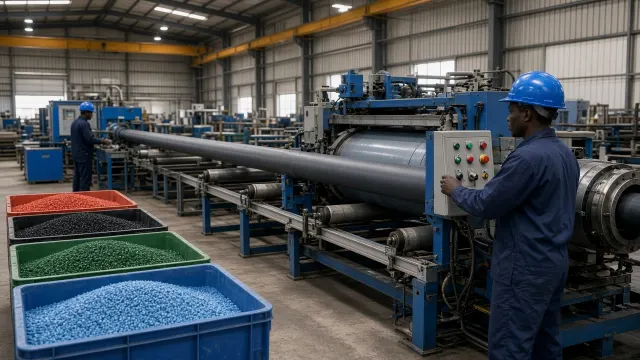
Plastics and PVC jobs plus trade opportunities in East Africa—extrusion careers, pipe systems sales, resin imports, quality standards, and growth links.
Read article
Import guide for Africa’s packaging industry—machinery buying tips, film and resin quality specs, supplier verification, logistics, and training plans.
Read article