
How African Employers Hire Expats: What They Look For in CVs and Interviews
What African employers look for when hiring expats—CV structure, interview probes, document readiness, localization attitude, and probation success habits.
Read articleMining

Compare Kenya, Uganda, and Tanzania job markets—standout sectors, hiring styles, and how to choose where your skills will travel furthest.
Kenya, Uganda, and Tanzania share regional trade ties but offer different job-market textures. This country guide compares standout sectors, hiring styles, and practical tips so you can target the right market instead of spraying identical applications across all three.
Kenya often combines:
Strengths for job seekers include a deep professional services layer and diverse industrial employers. Competition is high for polished office roles; industrial plant jobs still reward hands-on skills. Explore Pharma & Healthcare jobs, Packaging, and Construction.
Trade note: many importers and brand owners cluster here—see finding verified buyers.
Uganda’s market features:
Kampala hosts commercial roles, but many technical jobs sit in mill towns, industrial parks, and project sites. Read sugar factory jobs, cement plant jobs, and mining FIFO roles.
Tanzania offers:
Candidates who understand logistics corridors and industrial estates interview well for both plant and commercial roles. See oil & gas drilling jobs and plastics & PVC opportunities.
Also compare pay discussions carefully—cost of living and package structures differ. Use the salary guide as a cross-check method, not a single number source.
Across all three markets, industrial employers value punctuality, safety, and measurable results. Differences you may notice:
Expat applicants should read how to get hired as an expat.
Cement and construction materials, packaging, agribusiness processing, mining services, and selective energy projects appear repeatedly. See export growth sectors 2026–2027 for the trade-linked view.
Kenya, Uganda, and Tanzania are complementary markets, not clones. Choose the country whose sector mix matches your skills, adapt your CV to local employer priorities, and use East Africa Classifieds to follow verified openings rather than relying on generic “East Africa jobs” blasts that ignore borders and industries.
Some professionals hope to live in one country and work in another indefinitely. Immigration rules and tax realities make this harder than social media suggests. If you truly need a cross-border arrangement, get legal advice and employer support in writing.
Short project deployments are more realistic than informal commuting for industrial roles.
School calendars and spouse employment options often decide which country is viable. Factor them early—especially for expat family status packages. Bachelor FIFO roles may fit some life stages better than family relocation.
Pick a primary country for years one and two, with a secondary option if your sector cools. Reassess annually using project news and verified listings on East Africa Classifieds. Markets move; your plan should move with evidence from browse all jobs and sector guides, not with rumor alone.
Join professional groups, alumni networks, and sector associations—but spend more time helping than asking. Share useful standards summaries or safety tips. Hiring managers remember contributors. Online, keep profiles consistent with your CV. Offline, visit industrial areas when invited and treat every plant tour as both learning and informal interview practice across Kenya, Uganda, and Tanzania.
If you are early-career, prioritize learning density over prestige. A busy plant in a secondary city can teach more in twelve months than an idle prestigious title. Seek supervisors who explain the “why,” not only the task. Use East Africa Classifieds to find those environments via detailed job descriptions rather than brand names alone.
Later, you can migrate toward hub cities or larger brands with a stronger evidence base—exactly the progression employers in Kenya, Uganda, and Tanzania respect.
What African employers look for when hiring expats—CV structure, interview probes, document readiness, localization attitude, and probation success habits.
Read article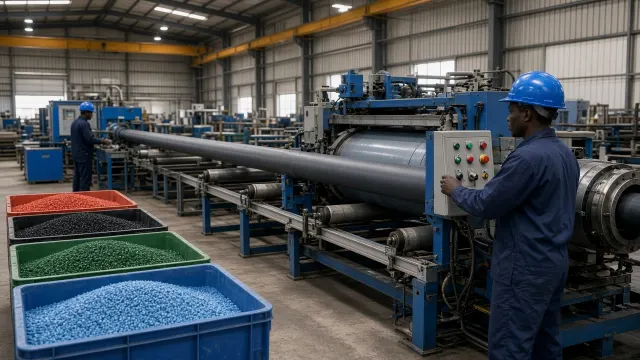
Plastics and PVC jobs plus trade opportunities in East Africa—extrusion careers, pipe systems sales, resin imports, quality standards, and growth links.
Read article
Where oil & gas and drilling openings cluster in Africa—role families, rotational life, tickets that matter, and how to stay ready between campaigns.
Read article