
Country Guide: Best Sectors and Job Markets in Kenya vs Uganda vs Tanzania
Compare Kenya, Uganda, and Tanzania job markets—standout sectors, hiring styles, and how to choose where your skills will travel furthest.
Read articlePackaging
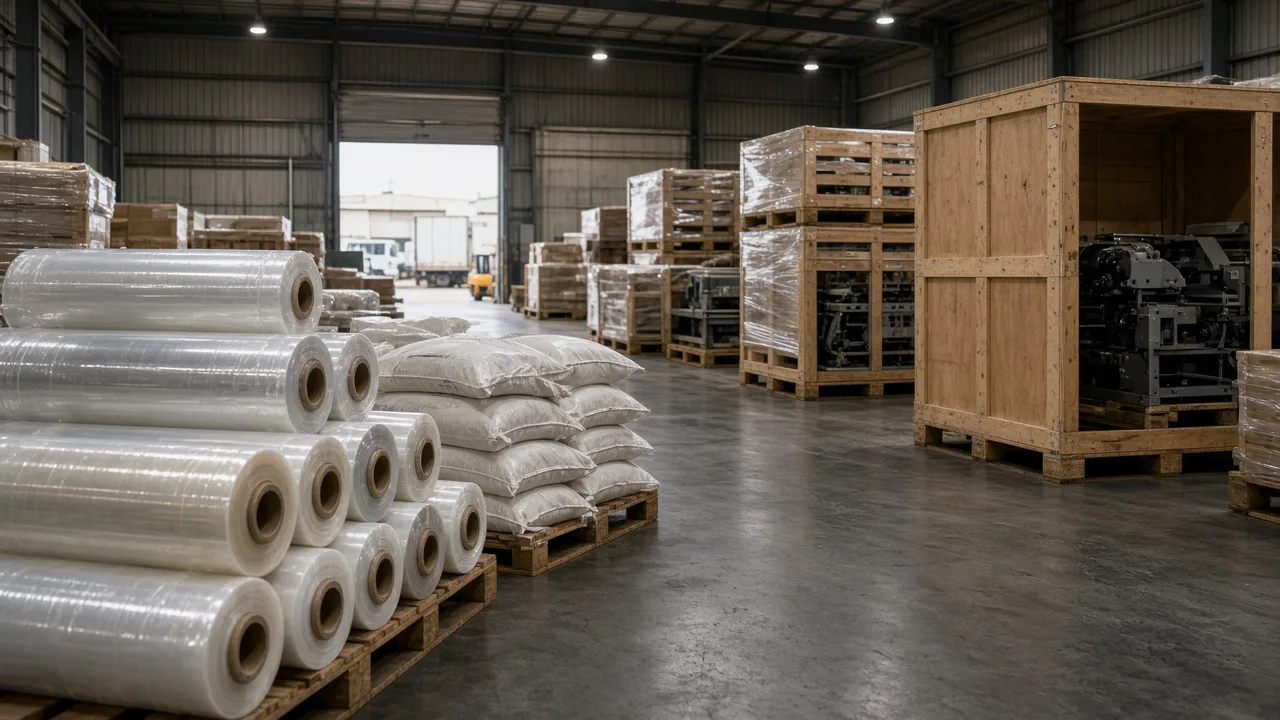
Import guide for Africa’s packaging industry—machinery buying tips, film and resin quality specs, supplier verification, logistics, and training plans.
Africa’s packaging industry depends heavily on imported machinery, films, resins, inks, and spare parts—even as local conversion capacity expands. This import guide helps converters, brand owners, and suppliers plan purchases, avoid common pitfalls, and connect to the right partners.
Common import baskets include:
Demand links tightly to FMCG, edible oils, pharma secondary packing, and agro-inputs. Related careers appear under Packaging jobs and Plastics.
Buying a press or pouch line is a multi-year decision. Before you sign:
Commissioning often creates temporary engineering hires—watch browse all jobs during installation windows.
Film and resin imports fail when buyers chase only price. Specify:
See flexible packaging jobs and skills for how plant teams use these materials daily, and edible oils trade for a major end-use segment.
Use the exporters directory to shortlist, then apply verification habits from finding buyers and importers—the same discipline works in reverse when you are the importer. Request recent references from African installations when buying machines.
Converters who stabilize quality can win regional brand contracts and reduce reliance on finished imported packs. That supports jobs and export potential discussed in top sectors for export growth and plastics & PVC opportunities.
Negotiate payment milestones for machinery. For consumables, consider framework orders with quality clauses rather than spot buys only. Track waste percentages in-plant; the cheapest film is expensive if scrap doubles.
Strong import programs need people who understand both commercial terms and machine realities. Cross-train procurement with production. Hire or develop technicians who can speak with OEM support desks clearly.
Packaging imports are strategic infrastructure for African brands. Treat them with engineering rigor, verify counterparties, and use East Africa Classifieds to connect trade research with the Packaging talent that makes new lines productive.
Machines without service die young. Ask OEMs about regional technicians, spare-parts stocking, and remote diagnostics. Some buyers form shared spare pools with neighboring plants for critical items—useful when lead times are long.
Train at least two operators per critical machine to reduce single-person risk. Document settings after successful campaigns.
Buyers increasingly ask about solvent recovery, waste handling, and recyclability claims. Even when regulation is still evolving, brand owners may impose private standards. Factor compliance investments into import budgets early rather than retrofitting under audit pressure.
Explore supplier credit, bank trade facilities, and leasing where available for machinery. Match repayment schedules to realistic ramp-up curves—new lines rarely hit brochure OEE in month one.
Tie your import calendar to hiring and training calendars on Packaging jobs. A machine that arrives before people are ready becomes an expensive sculpture. Align trade, technical, and HR plans as one project.
Import projects fail when training is an afterthought. Budget OEM trainer days, translate key SOPs, and assess operators with practical checklists before commercial production. Consider a “buddy system” pairing new operators with experienced ones for the first campaigns. Hiring timelines should start months before the vessel arrives—use Packaging jobs early rather than scrambling after customs clearance.
Create criticality classes for spares: insurance spares that stop the plant if missing, wear parts consumed regularly, and convenience items. Import insurance spares with the machine when possible. Localize wear-part sourcing only after quality trials. A tagged storeroom with min/max levels beats a pile of unlabeled cartons.
Maintenance planners who speak both OEM part numbers and local equivalents save days during breakdowns. That skill is rare and hireable—watch browse all jobs for planner roles as converters mature.
Compare Kenya, Uganda, and Tanzania job markets—standout sectors, hiring styles, and how to choose where your skills will travel furthest.
Read article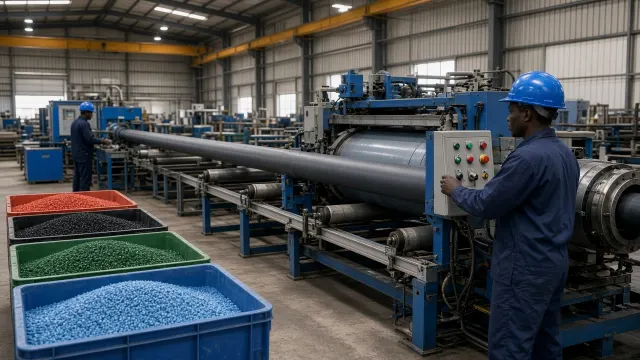
Plastics and PVC jobs plus trade opportunities in East Africa—extrusion careers, pipe systems sales, resin imports, quality standards, and growth links.
Read article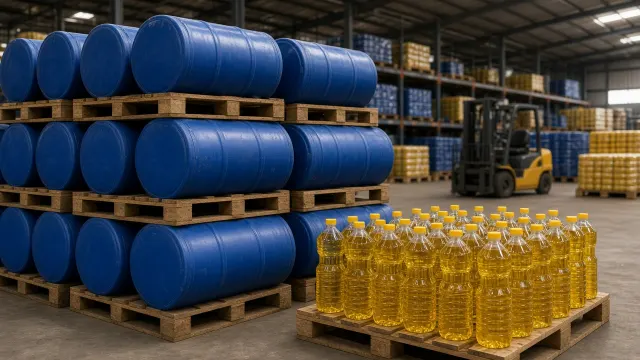
Trade guide to edible oils in East Africa—importer profiles, compliance themes, opportunities for 2026, risk controls, and links to plant talent needs.
Read article