
How African Employers Hire Expats: What They Look For in CVs and Interviews
What African employers look for when hiring expats—CV structure, interview probes, document readiness, localization attitude, and probation success habits.
Read articleMining

A realistic playbook for expatriate hiring in Africa—package building blocks, visa tips, scam red flags, and how to get on shortlists for scarce-skill roles.
Landing an expatriate role in Africa is less about “knowing someone” and more about matching scarce skills to employers who can legally sponsor you. This guide from East Africa Classifieds explains realistic packages, visa patterns, and how to avoid common scams while you search.
Employers bring expatriates when they need skills that are hard to source locally at the required speed—senior process engineers, mine planners, specialized maintenance leads, pharma validation experts, or project managers for complex builds. Many roles sit in Mining, Cement, Oil & Gas, Construction, and Pharma & Healthcare.
Expat does not automatically mean luxury. Some packages are generous; others are modest USD salaries with camp housing. Always read the full offer.
A credible package typically lists:
Indicative senior technical bands in mining or energy might be discussed in multi-thousand USD monthly ranges, while mid-level specialist roles can be lower. These are not guarantees—commodity prices, company policy, and your nationality all affect offers. Compare apples to apples using our salary guide and mining FIFO article.
Rules differ by Kenya, Uganda, Tanzania, Rwanda, and other markets, and they change. High-level habits that help:
Ask HR for a written timeline: offer letter → medicals → permit submission → expected start date.
For CV structure that African hiring managers prefer, read how African employers hire expats.
Walk away if someone:
Legitimate employers may still move slowly—bureaucracy is real—but they can explain steps.
candid answers here prevent resignations three months in.
Some expatriates enter as short-term commissioning consultants or sales engineers for equipment suppliers. That path can later convert to resident roles. Explore the exporters directory if your expertise sits on the supply side rather than plant payroll.
Kenya’s market often mixes regional HQ and industrial roles; Uganda and Tanzania see strong mining, agribusiness, and construction demand; each has distinct permit categories. For a structured comparison, see Kenya vs Uganda vs Tanzania job markets.
Expat hiring in Africa rewards clarity, patience, and proof. Aim for realistic packages, insist on transparent visa processes, and treat every application as a professional project—not a lottery ticket.
Successful expat searches are focused. Pick ten employers across two sectors rather than applying to everything. Research their projects, safety record reputation, and whether they historically sponsor permits. Follow their posts on browse all jobs and set calendar reminders to re-apply when new requisitions open.
Recruiters appreciate candidates who know the difference between a grinding plant and an integrated kiln line, or between underground and open-pit contexts. That specificity signals seriousness.
The hard part is not always the interview—it is the waiting period for permits, medicals, and logistics. Use that time to study site standards, refresh technical notes, and prepare family plans. Ask HR for a written checklist of remaining steps weekly so nothing stalls silently.
Once on site, your first 90 days should prioritize relationships with local supervisors and technicians. Expat effectiveness is social as well as technical. People help those who respect them.
Compare at least three data points: similar roles on East Africa Classifieds, peer offers if you have them, and cost of living at the duty station. Include unpaid roster-off time in oil and mining math. If housing is provided, estimate its market value. Then decide—not based on social media flexing, but on your savings goals and risk tolerance. Revisit mining packages and salary bands as living documents, not one-time reads.
What African employers look for when hiring expats—CV structure, interview probes, document readiness, localization attitude, and probation success habits.
Read article
Compare Kenya, Uganda, and Tanzania job markets—standout sectors, hiring styles, and how to choose where your skills will travel furthest.
Read article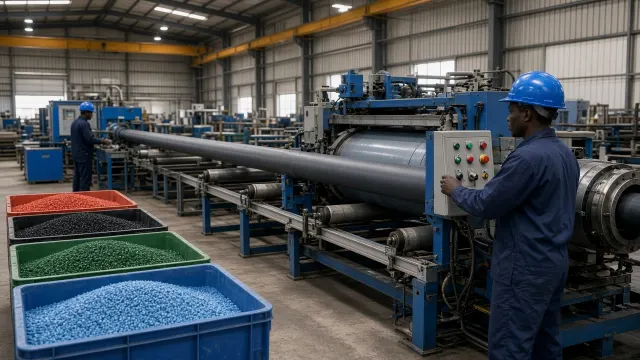
Plastics and PVC jobs plus trade opportunities in East Africa—extrusion careers, pipe systems sales, resin imports, quality standards, and growth links.
Read article