
How African Employers Hire Expats: What They Look For in CVs and Interviews
What African employers look for when hiring expats—CV structure, interview probes, document readiness, localization attitude, and probation success habits.
Read articleMining
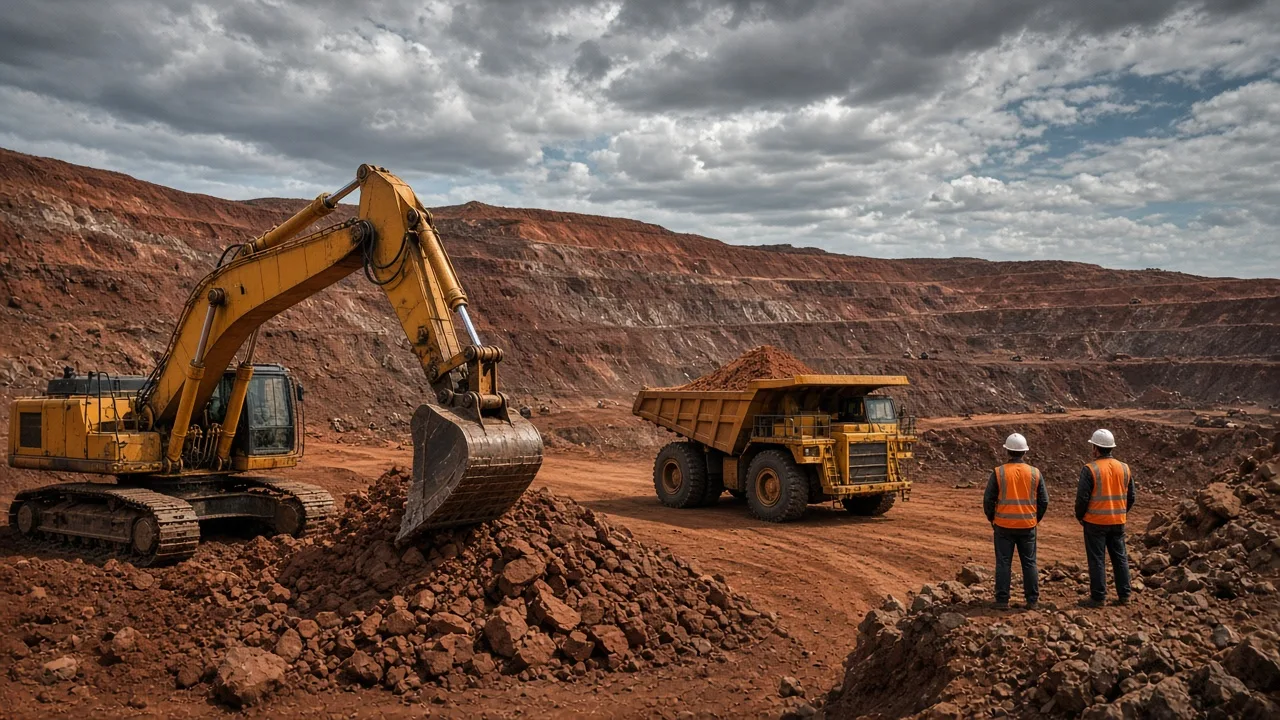
How mining jobs work in East Africa for locals and expats—realistic package components, FIFO roster realities, visas, and a practical application playbook.
East Africa’s mining corridor—gold, copper, cobalt corridors linked to the Great Lakes, industrial minerals, and quarrying—keeps generating Mining jobs for locals and expatriates. This guide explains how expat packages typically work, what FIFO (fly-in fly-out) roles look like in practice, and how to apply without wasting months on dead-end portals.
Uganda, Tanzania, Kenya, Rwanda, and neighboring markets host a mix of large mines, exploration camps, and contractor fleets. Demand concentrates in:
Exploration spikes create short contracts; producing mines create steadier rosters. Contractors often hire faster than owner-operators because they staff projects on client schedules.
Expat mining packages in East Africa are usually built from a base salary plus allowances—not a single glamorous number. Common components include:
Indicative senior technical packages might fall in broad bands such as USD 4,000–10,000+ per month before housing, depending on discipline, mine risk profile, and experience. Mid-level specialists and supervisors may sit lower. These are not guarantees—commodity cycles, company policy, and nationality rules change offers quickly. For wider pay context, read our salary guide for mining, cement, and oil & gas.
Local professional packages are typically lower in USD terms but may include strong benefits relative to city jobs. Always compare total cost of living and tax treatment, not base alone.
FIFO in East Africa often means:
FIFO suits people who can handle intense work blocks and then fully disconnect. It is harder if you need daily family presence or dislike camp rules. Some roles are residential (live in a mining town) rather than FIFO; clarify before you sign.
Mining recruiters scan for:
For expatriates, clean passport history, previous African site experience, and malaria/remote-camp familiarity help. For a broader hiring picture at named employers, see jobs at Wagagai Mining and other major African companies.
Also browse all jobs for overlapping roles in Oil & Gas drilling support and heavy Construction—many supervisors move between these industries.
Employers usually drive work permits, but you still need:
Never pay an individual “agent” who promises a guaranteed mining visa without a named employer. Prefer transparent processes through the hiring company or a known recruiter.
Mines buy reagents, grinding media, PPE, spare parts, and camp supplies. If you sell into the sector, use the Mining exporters directory and exporters directory to map verified counterparts. Job seekers who understand supply chains often interview better for procurement and logistics roles.
Mining careers in East Africa reward technical credibility, safety discipline, and roster resilience. Treat package numbers as negotiable ranges, clarify FIFO logistics in writing, and apply through verified listings. Pair this article with how to get hired as an expat in Africa and keep checking Mining jobs as new projects staff up.
Many mining CVs stall because candidates apply only to mine owners while ignoring contractors. Contractors staff drilling, blasting support, civils, camp catering, and maintenance overlays. They often need people within weeks, not quarters. If you accept contractor work, clarify site access rules, PPE provision, and whether the client can block your badge after an incident—your reputation travels.
Keep two CV versions: one tuned for owner-operator culture (systems, long-term improvement) and one for contractor culture (mobilization speed, multi-site flexibility). Both should still tell the truth.
Modern mines evaluate how candidates talk about communities, environment, and local employment. You do not need to be an ESG specialist, but you should avoid dismissive language. Supervisors who can work respectfully with community liaison teams reduce project friction. If you have experience training local artisans or running apprenticeship intakes, put it on the CV—it differentiates you from purely technical peers.
Candidates who arrive organized earn trust faster than equally skilled people who create admin chaos in week one. That trust shows up later in extension offers and internal referrals across Mining jobs networks.
What African employers look for when hiring expats—CV structure, interview probes, document readiness, localization attitude, and probation success habits.
Read article
Compare Kenya, Uganda, and Tanzania job markets—standout sectors, hiring styles, and how to choose where your skills will travel furthest.
Read article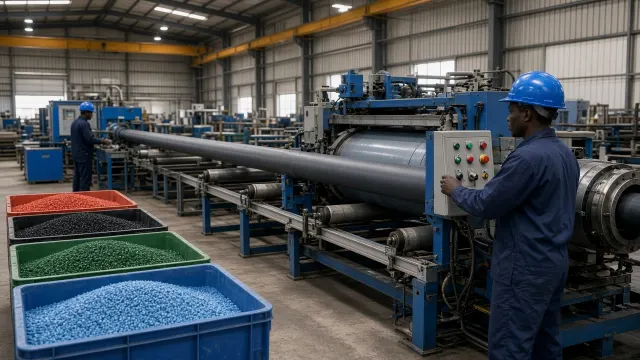
Plastics and PVC jobs plus trade opportunities in East Africa—extrusion careers, pipe systems sales, resin imports, quality standards, and growth links.
Read article