
Country Guide: Best Sectors and Job Markets in Kenya vs Uganda vs Tanzania
Compare Kenya, Uganda, and Tanzania job markets—standout sectors, hiring styles, and how to choose where your skills will travel furthest.
Read articleMining

What African employers look for when hiring expats—CV structure, interview probes, document readiness, localization attitude, and probation success habits.
African employers who hire expatriates look for scarce skills, clean documentation, and people who will transfer knowledge—not only collect an allowance. This guide explains what hiring managers scan for in CVs and interviews, based on patterns we see across industrial and professional roles on East Africa Classifieds.
Sponsoring a work permit costs time and money. Employers expect:
If your CV reads like a generalist open to “any African opportunity,” you will lose to a narrower specialist. Pair this article with how to get hired as an expat.
Keep it to two pages when possible. Prioritize:
Quantify achievements: recovery improvements, downtime reduction, budget size, team size, safety metrics. Sector examples help for Mining, Cement, Oil & Gas, Construction, and Pharma & Healthcare.
Expect layers:
For mining and energy, roster resilience matters—see mining FIFO guide. For plants, process upset stories matter—see cement careers.
Let the employer share the grade or band when possible, then respond with a researched range. Use total package thinking from the salary guide: housing, flights, medical, and permits change the real value. Avoid ultimatums in first conversations; do ask clarifying questions.
Employers move faster when your paperwork is already organized.
Many permits and company policies emphasize skills transfer. Strong candidates say how they will coach local engineers or supervisors—and mean it. Arrogant “I am the only expert” framing backfires.
Use verified listings on browse all jobs rather than paying unknown agents. Company-focused search tips appear in jobs at major African companies. Country choice guidance is in Kenya vs Uganda vs Tanzania.
African employers hire expats who reduce risk: technical risk, safety risk, and onboarding risk. Your CV and interviews should prove you have done the work, will show up for the roster, and will leave the team stronger. Prepare evidence, keep documents ready, and apply through transparent channels on East Africa Classifieds when the right scarce-skill roles appear.
Technical panels may include a whiteboard process sketch, a fault-finding story, or a site walk. Talk out loud about safety assumptions. If you do not know something, say how you would find out—invented answers destroy trust instantly.
Practical tests for trades should be treated like the job: clean work area, correct PPE, and no shortcuts.
Once selected, negotiate politely with trade-offs ready: perhaps a slightly lower base for better flights, or a fixed review at six months. Get the final package in an offer letter before resigning elsewhere.
Deliver early wins, document handovers, and avoid gossip. Expat communities and industrial networks are connected across Kenya, Uganda, and Tanzania. Your next role often comes from someone who watched how you behaved on the last site.
Keep your search hygiene for the future: maintain an updated CV, and stay aware of market roles on browse all jobs even when employed—so you negotiate from confidence, not fear, when renewals arise.
Treat probation as a project with weekly goals agreed with your manager: safety induction completion, key SOPs learned, and one visible improvement. Send brief progress notes. Expats who go quiet for two months then complain about “local issues” struggle. Expats who listen, learn names, and deliver small wins renew contracts. Carry that habit from interview promise to on-site proof while watching market context on browse all jobs.
Compare Kenya, Uganda, and Tanzania job markets—standout sectors, hiring styles, and how to choose where your skills will travel furthest.
Read article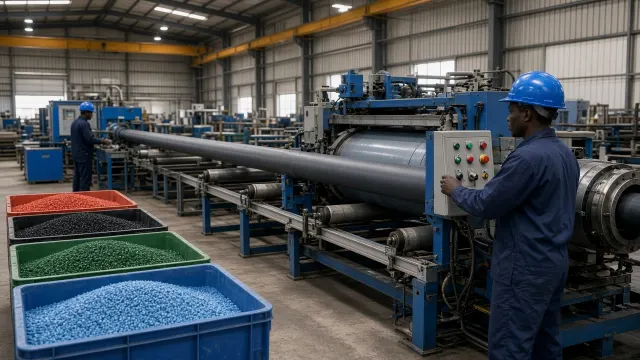
Plastics and PVC jobs plus trade opportunities in East Africa—extrusion careers, pipe systems sales, resin imports, quality standards, and growth links.
Read article
Where oil & gas and drilling openings cluster in Africa—role families, rotational life, tickets that matter, and how to stay ready between campaigns.
Read article