
How African Employers Hire Expats: What They Look For in CVs and Interviews
What African employers look for when hiring expats—CV structure, interview probes, document readiness, localization attitude, and probation success habits.
Read articleMining

How hiring works at major African companies like Wagagai Mining, Simba Cement, and Roko—role families, screening stages, and CV tactics that get interviews.
Job seekers often search by company name first: Wagagai Mining, Simba Cement, Roko, and other recognizable African employers. This guide explains how hiring typically works at major companies, which role families appear most often, and how to apply with a sharper CV.
Named companies signal scale, structured HR, and clearer career ladders. They also receive high application volumes—so generic CVs fail fast. Treat each application as tailored evidence for that site’s risks and processes.
Browse openings via browse all jobs and sector filters such as Mining, Cement, and Construction.
Mining companies and their contractors hire for production, processing, geology, HSE, and camp services. Expect emphasis on safety culture and roster discipline. Prepare examples of incident prevention and quantitative production achievements. Deeper context: mining jobs, expat packages, and FIFO and salary guide.
Contractors may hire faster than owner companies; read the contract employer name carefully.
Cement groups hire plant operators, process and maintenance engineers, QC chemists, depot staff, and sales teams. Continuous process experience beats generic manufacturing claims. See cement plant jobs 2026 for role maps and requirements.
Shutdown seasons create temporary contractor demand for refractory, welding, and instrumentation skills.
Construction firms hire site engineers, QS professionals, HSE officers, supervisors, and skilled trades. Project-based contracts are common. Show completed projects, your exact responsibilities, and safety outcomes. Pair with construction jobs for expats and locals.
Typical stages:
Expat applicants should read how African employers hire expats and expat hiring packages.
Many people enter major project ecosystems through EPC contractors, manpower agencies, or OEMs. Those roles can convert to owner jobs later. Packaging, logistics, and materials suppliers around big plants also hire—see exporters directory if you are commercially minded.
Large employers increasingly audit HSE, ethics, and data accuracy. Never invent experience—panels will probe. Ask about localization plans if you are an expat; many roles include training local deputies.
Wagagai Mining, Simba Cement, Roko, and peer employers hire people who prove they can deliver safely at industrial pace. Use company names to focus your search, but win interviews with site-specific evidence. Keep checking verified listings on East Africa Classifieds and align each CV to the plant, mine, or project you want—not to a generic “any job” template.
Major companies sometimes run graduate intakes. These programs favor academic results plus leadership evidence from projects or attachments. Apply early, prepare case interviews, and show mobility. Trainees who ask thoughtful plant questions impress more than those who only ask about salaries on day one.
Once hired, volunteer for shutdowns, continuous improvement teams, and cross-department projects. Visibility plus delivery creates promotions faster than waiting for annual reviews alone. Keep your achievements logged with numbers.
Industrial sectors are smaller than they look—people talk. Resign professionally, serve notice, and hand over cleanly. Your next panel at another major employer may include someone who remembers.
Continue monitoring East Africa Classifieds for openings at your target brands and peer companies. Name recognition opens the door; evidence of safe delivery walks you through it. Stay ready for Mining, Cement, and Construction waves as projects approve budgets.
Major employers run reference and sometimes criminal-record checks. Inconsistencies between your CV and references end processes abruptly. Tell the truth about exits from previous jobs. If you had a conflict, prepare a calm factual narrative focused on learning—not blame. Integrity screening is especially strict in mining high-value environments and in construction procurement roles.
Some majors route hiring through agencies; others insist on direct applications. Follow the posting instructions exactly. If an agency contacts you, verify they are mandated—ask which requisition and client hiring manager exists. Never pay an agency to be considered for a salaried industrial role.
Keep your documents consistent across agency and direct channels. Conflicting CVs are an easy integrity fail for branded employers reviewing Mining and Cement applicants.
What African employers look for when hiring expats—CV structure, interview probes, document readiness, localization attitude, and probation success habits.
Read article
Compare Kenya, Uganda, and Tanzania job markets—standout sectors, hiring styles, and how to choose where your skills will travel furthest.
Read article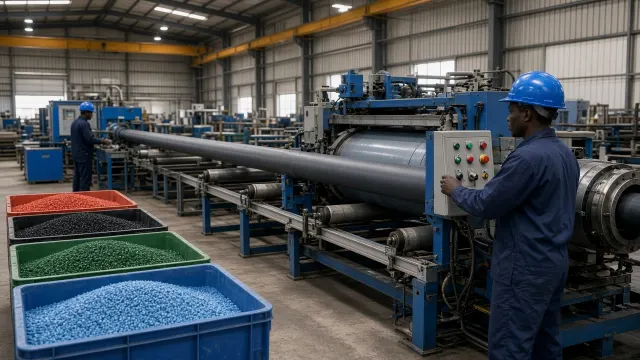
Plastics and PVC jobs plus trade opportunities in East Africa—extrusion careers, pipe systems sales, resin imports, quality standards, and growth links.
Read article