
How African Employers Hire Expats: What They Look For in CVs and Interviews
What African employers look for when hiring expats—CV structure, interview probes, document readiness, localization attitude, and probation success habits.
Read articleOil & Gas

Where oil & gas and drilling openings cluster in Africa—role families, rotational life, tickets that matter, and how to stay ready between campaigns.
Oil & gas and drilling employment in Africa concentrates where projects are sanctioned, rigs are active, and midstream construction is funded. Openings appear and disappear with campaign cycles. This guide helps you see where roles typically cluster and how to prepare while the window is open.
Hiring clusters around:
Filter Oil & Gas jobs and also watch Construction and Mining for overlapping skills in welding, heavy equipment, and camp management.
Service companies may hire more volume than operators. Read each posting for the legal employer.
Many field roles are rotational. Clarify:
Package math differs from city jobs—see salary guide and expat hiring realities.
Fresh candidates should pursue entry via contractors, yard fabrication, or logistics support roles rather than waiting only for operator staff jobs.
East African opportunities historically link to specific basins, pipeline corridors, and support hubs in cities that feed the field. Always verify current project status—hiring rumors outpace reality. Company ecosystems and adjacent industrial employers are discussed in major African companies jobs.
Many professionals rotate between oilfield campaigns, mining projects, and heavy industrial maintenance. If drilling slows, consider cement plant or steel plant maintenance roles that value similar discipline.
Projects consume pipes, valves, fuels, camp supplies, and PPE. Vendors can track demand via project news and the exporters directory, then staff sales engineers who understand site procurement.
Oil & gas and drilling jobs reward preparedness more than constant online searching. Keep tickets current, watch verified Oil & Gas listings on East Africa Classifieds, and be ready to mobilize when campaigns staff—because the best openings often close on project time, not on your preferred schedule.
Many projects include national content expectations. Expats should expect to mentor. Locals should invest in tickets and English/technical reporting skills to capture more of the higher-value roles over time. Both groups succeed when they treat localization as a real plan, not a slogan.
Oilfield medicals can be strict. Maintain fitness, manage chronic conditions transparently with medical teams, and do not hide issues that could endanger you or others offshore or in remote camps. Career longevity beats one hidden certificate.
When rigs stack, use the gap for courses, NDT upgrades, or adjacent industry work. Keep networking without desperation. Update your tickets before they lapse.
Watch East Africa Classifieds for the next wave of Oil & Gas jobs. Prepared candidates mobilize; unprepared candidates watch the campaign staff without them.
Interviewers may ask when you last stopped a job. Prepare a real example with the hazard, your action, and the outcome. Sites need people who will halt unsafe lifting or hot work even under schedule pressure. Saying you “never had to” can sound inexperienced. Saying you stop work lightly without judgment also fails—balance courage with professionalism when discussing Oil & Gas safety culture.
If drilling crew seats are scarce, consider camp services, warehousing, driving (with proper licenses), or yard fabrication. These roles teach site discipline and create internal visibility when technical seats open. Many supervisors started in support functions and studied at night for tickets.
Treat every site onboarding as career capital. Learn permit systems, lifting basics, and how management communicates risk. That foundation transfers to Construction and mining projects when oil campaigns quiet down.
What African employers look for when hiring expats—CV structure, interview probes, document readiness, localization attitude, and probation success habits.
Read article
Compare Kenya, Uganda, and Tanzania job markets—standout sectors, hiring styles, and how to choose where your skills will travel furthest.
Read article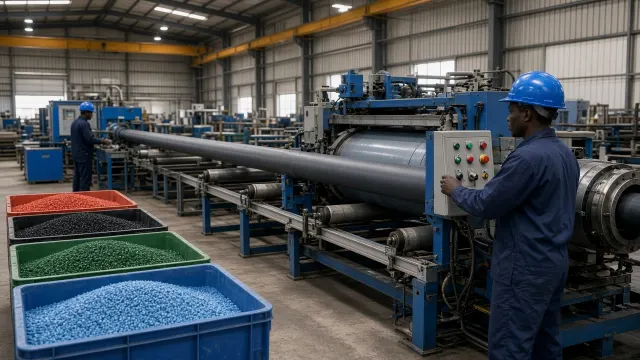
Plastics and PVC jobs plus trade opportunities in East Africa—extrusion careers, pipe systems sales, resin imports, quality standards, and growth links.
Read article