
How African Employers Hire Expats: What They Look For in CVs and Interviews
What African employers look for when hiring expats—CV structure, interview probes, document readiness, localization attitude, and probation success habits.
Read articlePackaging

A practical verification and outreach process for finding real buyers and importers in Kenya, Uganda, and Tanzania—without wasting samples on fake leads.
Finding real buyers in Kenya, Uganda, and Tanzania is the difference between a serious export plan and a folder of unanswered emails. This practical guide from East Africa Classifieds walks through verification habits, where to look, and how to approach importers without sounding like spam.
The region has genuine wholesalers, manufacturers, and distributors—and also brokers who oversell access. Before you ship samples or grant credit, confirm:
Start mapping counterparts via the exporters directory and sector filters such as Cement exporters or Mining exporters.
Nairobi and Mombasa concentrate importers for industrial inputs, FMCG, pharma distribution, and construction materials. Buyer types include:
Kenya’s documentation expectations can be formal—be ready with COAs, specs, and clear Incoterms. For sector context, see edible oils trade and packaging imports.
Uganda’s importers often optimize around Kampala distribution and industrial zones, with strong demand links to construction, consumer oils, and factory inputs. Because Uganda is landlinked, logistics credibility matters as much as price. Buyers respect suppliers who understand transit times through Mombasa or Dar corridors and can plan buffer stock.
Dar es Salaam port dynamics shape many import programs. Industrial buyers in cement, plastics, food processing, and mining supplies evaluate suppliers on consistency and documentation quality. Mining-linked procurement may require additional HSE and QA paperwork—pair outreach with mining sector knowledge if you sell into sites.
Related: top export growth sectors 2026–2027.
Walk away early; lost time is cheaper than lost cargo.
Hiring spikes can signal expanding plants. If a refinery or packaging converter is hiring operators, they may also need materials soon. Watch browse all jobs, Packaging jobs, and Food Processing related posts as soft indicators—then verify commercially.
Agree Incoterms, quality claims windows, and dispute venues in writing. Letters of credit, advance partial payments, or escrow-like arrangements (where appropriate) beat handshake optimism on first trades. Keep email trails even if WhatsApp is used for speed.
Kenya, Uganda, and Tanzania differ in port access, industrial mix, and administrative style. A single pitch deck rarely fits all three. Use Kenya vs Uganda vs Tanzania job and sector guide to adapt your commercial story.
Verified buyers are found through disciplined lists, directory checks, small tests, and clear contracts—not mass blasting. Use East Africa Classifieds’ exporters directory as a starting map, apply the verification steps above, and grow accounts that pay and reorder.
Trade shows and business associations can help—if you arrive with a target list and follow-up system. Collect cards, but send personalized notes within 48 hours referencing the exact product discussion. Photograph booth product displays (with permission) to remember specifications.
Associations sometimes share member directories; combine those with independent verification. Never skip due diligence because someone smiled at a booth.
Structure sample programs: who pays freight, what success criteria apply, and what the pilot order volume will be if tests pass. Put dates in writing. Many “interested buyers” disappear after free samples; paid sample freight filters seriousness.
Some exporters succeed with exclusive distributors; others sell direct to plants. Exclusivity should include minimum volumes and marketing duties. Direct selling needs your own credit control. Choose deliberately.
Keep learning from sector guides on East Africa Classifieds, maintain clean records, and treat verification as a continuous habit—companies change ownership and reputation. Your best protection is process, not optimism, when building importer relationships across Kenya, Uganda, and Tanzania.
Professional English works across the three markets; a few courtesy phrases in Kiswahili can help on sites and in depots. More important than language flair is follow-up cadence: one clear message, one reminder, then a polite close if there is no fit. Desperate daily messaging damages brand credibility. Track conversations in a CRM or spreadsheet so promises about samples and prices are never forgotten.
What African employers look for when hiring expats—CV structure, interview probes, document readiness, localization attitude, and probation success habits.
Read article
Compare Kenya, Uganda, and Tanzania job markets—standout sectors, hiring styles, and how to choose where your skills will travel furthest.
Read article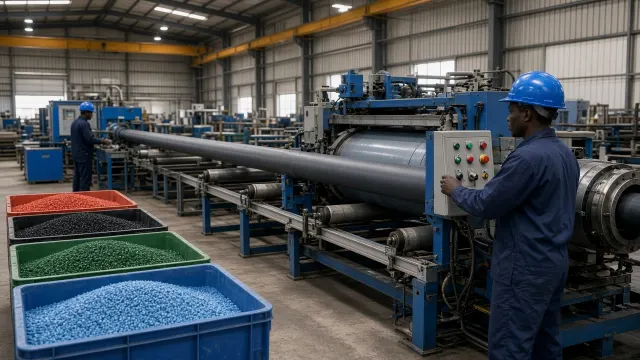
Plastics and PVC jobs plus trade opportunities in East Africa—extrusion careers, pipe systems sales, resin imports, quality standards, and growth links.
Read article