
How African Employers Hire Expats: What They Look For in CVs and Interviews
What African employers look for when hiring expats—CV structure, interview probes, document readiness, localization attitude, and probation success habits.
Read articleAgriculture

Priority sectors for East Africa export growth in 2026–2027—agribusiness, packaging, building materials, mining supplies, pharma distribution, and practical next steps.
East Africa’s export story for 2026–2027 is not a single commodity bet. It is a portfolio: agribusiness value addition, building materials, light manufacturing, packaging, and selective minerals. This editorial guide highlights sectors with practical momentum for exporters, manufacturers, and job seekers who want to align careers with trade growth.
We look for sectors where:
Growth is uneven. Treat this as a prioritization map, not a guarantee of easy margins.
Coffee, tea, horticulture, oils, and sugar-related products remain central. Opportunities increasingly sit in quality upgrading, traceability, and packaged formats rather than only bulk. Professionals in QC, cold chain, and export documentation stay employable. Related reading: edible oils trade and sugar factory jobs.
As brands regionalize packing, demand rises for films, pouches, bottles, and labels. That supports both Packaging jobs and import of machinery/raw materials—see packaging industry import guide and plastics & PVC opportunities.
Construction pipelines sustain cross-border movements of cement, clinker, steel products, and finishes. Supply gaps create room for reliable exporters and distributors. Explore Cement exporters and cement and building materials opportunities.
Mineral exports and mine supply chains (reagents, grinding media, equipment) remain material for Tanzania, Uganda, and linked corridors. Job seekers should watch Mining jobs; traders can start with Mining exporters.
Regional distribution of medicines, devices, and consumables continues to professionalize. Regulatory competence is the scarce skill. Career paths are covered in pharma & healthcare jobs; trade teams should prioritize compliance over speed.
Where upstream or midstream activity is active, exportable services (inspection, logistics, fabrication) and materials demand rise. See Oil & Gas jobs and drilling openings.
Export growth sectors hire differently:
Browse all jobs and filter by the sectors above. Country differences still matter—compare Kenya vs Uganda vs Tanzania markets.
Diversify counterparties through the exporters directory and keep communication trails professional.
Pick one sector, build a short target list of buyers or employers, and execute weekly outreach. Export growth rewards operators who combine product knowledge with documentation discipline. East Africa Classifieds will keep publishing sector guides and verified listings so you can connect opportunities to action—not just headlines.
Beyond heavy industry, light manufacturing—household goods, basic assembly, and regional FMCG packing—creates exportable finished goods for neighboring markets. These factories hire industrial engineers, quality teams, and supervisors who can stabilize output. They also buy packaging and plastics inputs, linking back to converter demand.
Exporters who graduate from trading into light manufacturing capture more margin but take on people-management and utilities risk. Start with products you already understand commercially.
Not all exports are containers. Inspection, engineering consulting, and specialized maintenance services travel with projects. Professionals who package their expertise as short interventions can work across borders when immigration rules allow. That path often starts with strong delivery on local browse all jobs contracts.
Growers and manufacturers should keep photo trails, lab results, and shipment histories ready. Buyers in 2026–2027 increasingly ask for proof, not promises. A simple shared folder with redacted COAs and packing lists can shorten sales cycles more than a glossy brochure.
Return to the exporters directory monthly to refresh contacts, and align hiring plans so your plant or warehouse can actually fulfill the orders your sales team wins in priority sectors.
Export growth increasingly follows standards: food safety, packaging migration limits, and construction material test methods. Companies that invest in labs and certification access better buyers. Job seekers with audit experience become strategic hires. Traders should budget for testing rather than treating it as optional. Link your 2026–2027 plan to proof systems, then use the exporters directory to find counterparties who speak the same compliance language.
What African employers look for when hiring expats—CV structure, interview probes, document readiness, localization attitude, and probation success habits.
Read article
Compare Kenya, Uganda, and Tanzania job markets—standout sectors, hiring styles, and how to choose where your skills will travel furthest.
Read article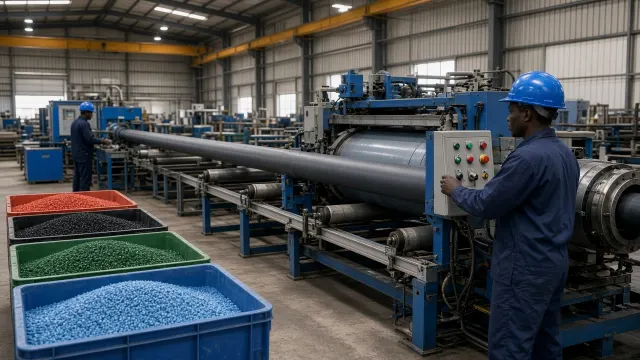
Plastics and PVC jobs plus trade opportunities in East Africa—extrusion careers, pipe systems sales, resin imports, quality standards, and growth links.
Read article