
How African Employers Hire Expats: What They Look For in CVs and Interviews
What African employers look for when hiring expats—CV structure, interview probes, document readiness, localization attitude, and probation success habits.
Read articleConstruction
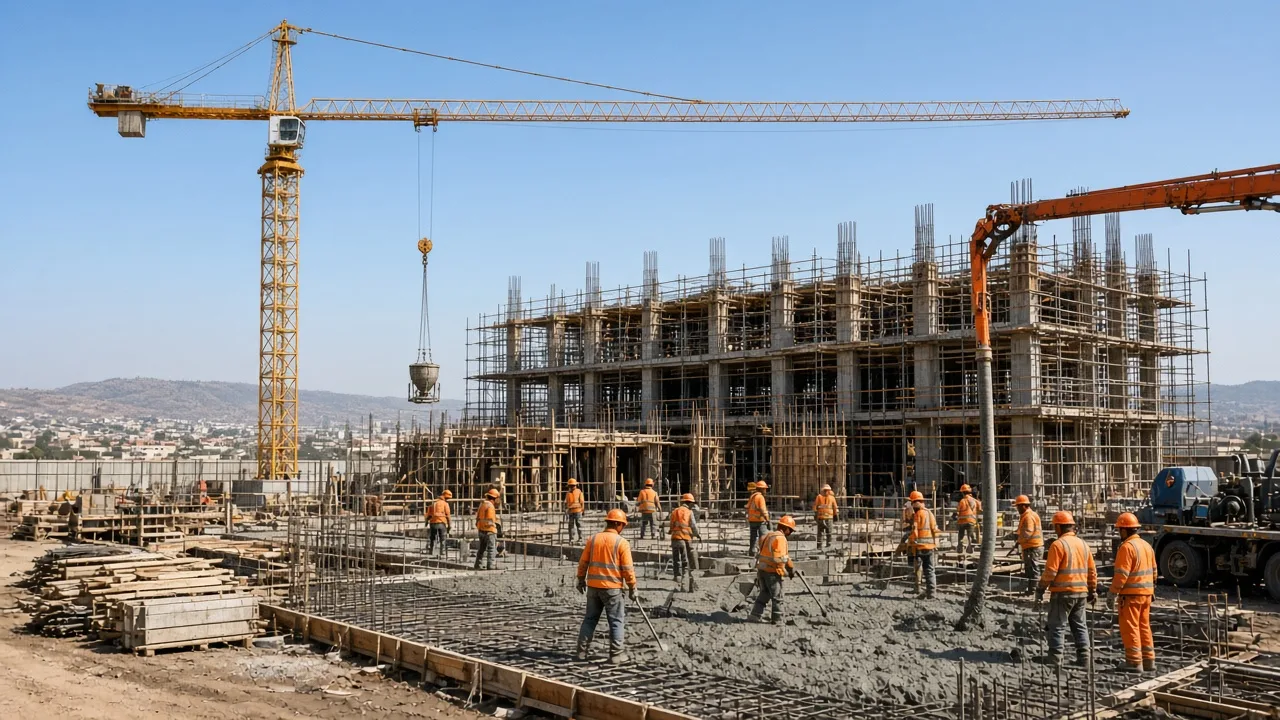
Construction demand across Africa for trades, engineers, and expats—pay variables, employer types, safety expectations, and how to get hired faster.
Construction remains one of East Africa’s largest employers of both local craft labor and expatriate project professionals. Roads, industrial plants, housing estates, hospitals, and energy infrastructure all need site teams. This guide covers demand patterns, pay realities, and companies/project types that hire.
Look for activity around:
Filter Construction jobs and also watch Cement, Oil & Gas, and Mining posts that include civil packages.
High-volume hiring includes:
Local candidates who combine a trade ticket with literacy in drawings and safety permits advance faster into gang leadership.
Expatriates are more common in:
For package and visa realism, read how to get hired as an expat in Africa and employer CV expectations.
Construction pay depends on project funding (government, private, donor), location hardship, and whether you are casual, permanent, or contract staff. Trades may earn daily or monthly rates with overtime during concrete pours. Engineers and QS professionals usually negotiate monthly packages; senior PMs on large EPC jobs can command significantly higher compensation, sometimes with housing and transport.
Treat any single number online as incomplete. Ask about:
Our salary guide is useful for adjacent industrial project pay discussions.
Hiring may come from:
Always verify the legal employer on your contract—payroll entities and site brands can differ.
Sites that take HSE seriously prefer candidates who can tell a real stop-work story. Bring PPE to interviews when invited to site walks. Never treat safety talk as optional padding on a CV.
Construction demand also creates openings in procurement and sales of cement, steel, and finishing materials. Explore Cement exporters and cement and building materials opportunities if your path is commercial rather than site-based.
Construction careers in Africa reward proven site delivery, safety habits, and willingness to relocate to where the pours and steelwork are. Locals with strong trade and engineering skills remain the backbone of the workforce; expats fill targeted gaps. Track verified Construction jobs on East Africa Classifieds and align your documents to project realities before the next tender wave hits.
Beyond trades and site engineering, construction employers need quantity surveyors, planners, and contract administrators. These roles suit people who can reconcile drawings, measure works, and manage variations without losing the plot during arguments. Bring examples of claims you helped document fairly.
Digital tools—basic BIM exposure, Excel discipline, scheduling software—improve shortlist odds even on traditional sites.
Crane operators, excavator operators, and mechanics for yellow plant are essential. Tickets and clean safety records matter. Theft and misuse controls are tight on well-run sites; professionals who respect asset control policies are preferred for longer contracts.
Multinational EPCs may emphasize procedure adherence and English reporting; strong local contractors may emphasize speed, improvisation, and relationship management with clients. Both need competence. Adapt your interview examples to the audience. Neither excuses unsafe shortcuts.
Use East Africa Classifieds to compare postings and notice which employers describe HSE expectations clearly—that clarity is often a positive signal. Keep Construction jobs filters on, and cross-check industrial civils demand via Cement and materials trade articles when deciding where to relocate for the next project season.
City projects often pour at night to reduce traffic conflict. Night work premiums help, but sleep discipline becomes a skill. Candidates should ask about transport after midnight shifts and security arrangements. Reliable night supervisors are scarce and valued. If you can lead a safe night pour with clear quality checks, say so explicitly on applications for Construction jobs.
What African employers look for when hiring expats—CV structure, interview probes, document readiness, localization attitude, and probation success habits.
Read article
Compare Kenya, Uganda, and Tanzania job markets—standout sectors, hiring styles, and how to choose where your skills will travel furthest.
Read article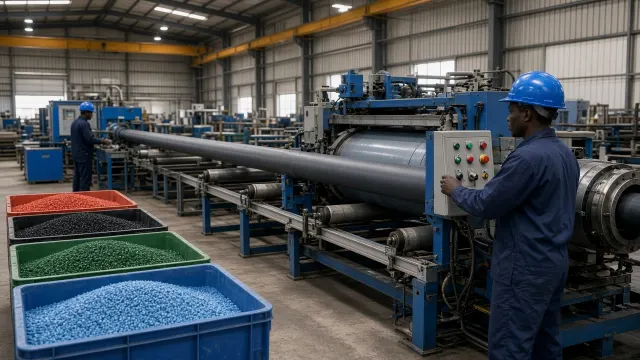
Plastics and PVC jobs plus trade opportunities in East Africa—extrusion careers, pipe systems sales, resin imports, quality standards, and growth links.
Read article