
How African Employers Hire Expats: What They Look For in CVs and Interviews
What African employers look for when hiring expats—CV structure, interview probes, document readiness, localization attitude, and probation success habits.
Read articleCement
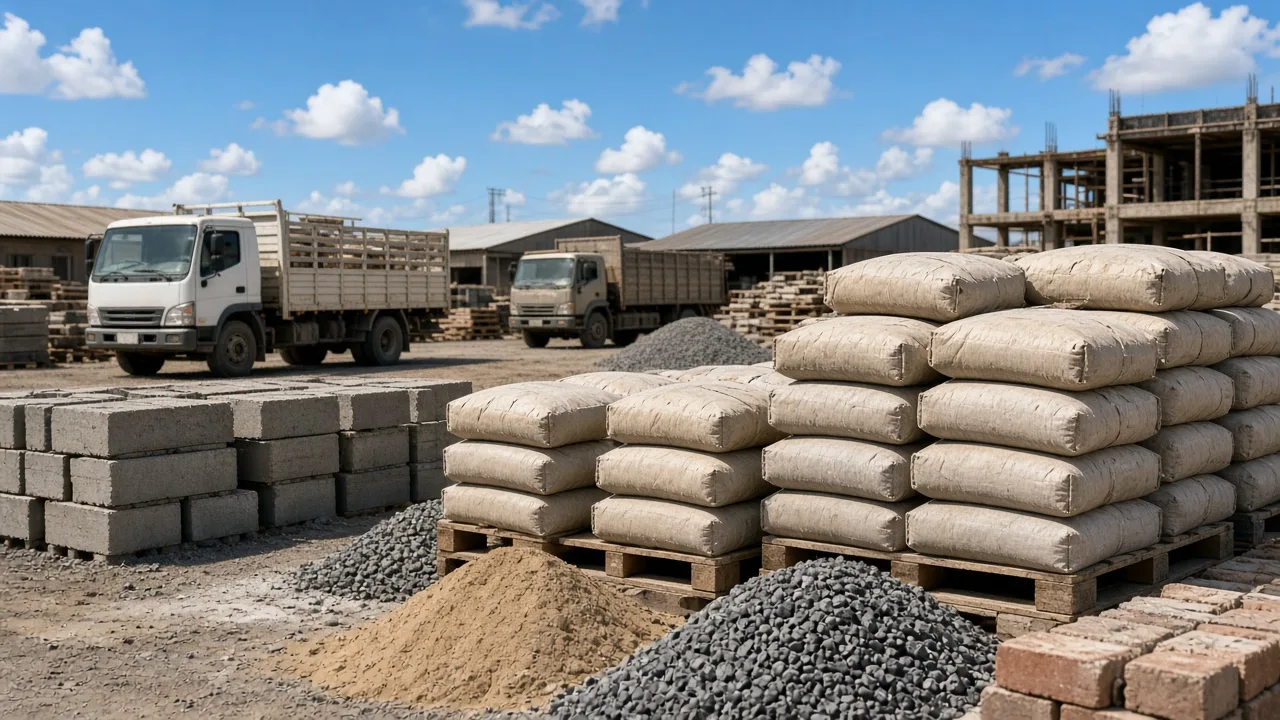
Where cement and building materials supply gaps create export and distribution opportunities across Africa—and how to win with logistics and quality.
Cement and building materials sit at the center of Africa’s construction reality: housing, roads, industrial plants, and commercial projects all need reliable supply. Yet markets still show regional supply gaps, logistics bottlenecks, and quality inconsistencies. This guide maps export and distribution opportunities for manufacturers, traders, and professionals.
Gaps show up when:
These gaps are opportunities for disciplined suppliers—not for dumping low-quality product. Start with Cement exporters and the broader exporters directory.
Building materials trade includes:
Demand correlates with Construction jobs and industrial expansions in Cement plant towns.
Practical approaches:
Related reading: top export growth sectors and finding verified buyers.
In building materials, landed cost and on-time delivery often matter more than ex-factory price. Plan for:
Suppliers who share realistic ETAs build longer relationships than those who overpromise.
Counterfeit or understrength cement destroys trust industry-wide. Serious exporters invest in:
Job seekers in QC and logistics for cement plants can review cement plant careers and steel plant opportunities.
New packaging plants, sugar mills, mines, and oil infrastructure all need civil packages—cement, steel, and aggregates. Watching browse all jobs for project hiring can signal upcoming materials demand. Company landscapes appear in major African companies jobs.
Use contracts, credit limits, and diversified dealer networks.
Cement and building materials rewards operators who treat logistics and quality as core products. Use East Africa Classifieds to research Cement exporters, hire plant and sales talent, and turn regional supply gaps into repeatable trade—not one-off opportunistic loads.
Exporters who train dealers on storage, rotation, and basic application support sell more with fewer complaints. Simple laminated guide cards in local languages help. Reward dealers who maintain clean storage and pay on time—not only those with the loudest orders.
Government and donor-funded projects can move large volumes but require patience with tenders, compliance paperwork, and payment cycles. Maintain a separate playbook for public vs private customers. Never stretch quality to win a tender; the reputational cost lasts longer than the invoice.
Track regional project pipelines, rainfall seasons, and competitor outages. Even a lightweight spreadsheet improves ordering. Share anonymized insights with trusted dealers so they stock intelligently.
Connect materials strategy to people strategy: hire technical sales and logistics coordinators through browse all jobs when volumes justify it. Cement and building materials success is repetitive excellence—bags on time, grades as promised, relationships maintained.
Bag quality and warehouse practices decide whether cement arrives usable. Exporters should specify bag strength, pallets or sling bags, and moisture barriers for humid corridors. Distributors need covered storage and rotation discipline. Technical salespeople who can audit a dealer warehouse add real value—more than those who only chase tonnes without protecting product integrity across African routes.
Project buyers for industrial plants and housing estates evaluate suppliers on delivery reliability during peak pours. Offer call-off schedules and emergency response contacts. A single failed delivery during a slab pour can lose an account forever—even if your annual price was lowest.
Technical seminars for contractors—correct curing, storage, and mix practices—build loyalty. Pair commercial outreach with insights from construction hiring trends so you understand when sites will actually consume materials.
What African employers look for when hiring expats—CV structure, interview probes, document readiness, localization attitude, and probation success habits.
Read article
Compare Kenya, Uganda, and Tanzania job markets—standout sectors, hiring styles, and how to choose where your skills will travel furthest.
Read article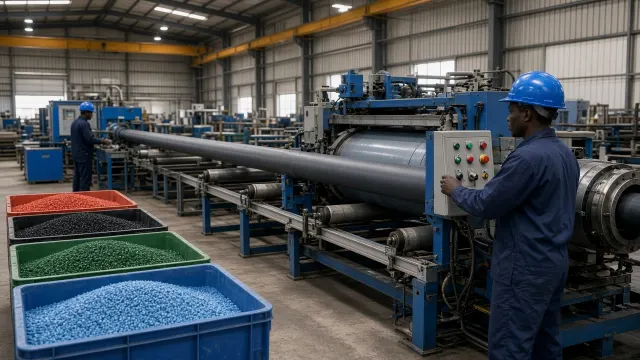
Plastics and PVC jobs plus trade opportunities in East Africa—extrusion careers, pipe systems sales, resin imports, quality standards, and growth links.
Read article